Pre-Sale Mold Clearance
Pre-sale mold clearance involves inspection and testing to confirm a property is mold-free before purchase.
Pre-sale mold clearance in Pawcatuck, CT, helps homeowners confirm their property is free of hidden mold before listing it. This process identifies moisture sources and contamination, giving buyers confidence and avoiding last-minute delays.
It’s especially important in older homes or areas prone to humidity, like basements and crawl spaces near Mystic or Westerly, RI.
We also handle Roof Leak Mold Remediation and Apartment Mold Remediation for Pawcatuck properties.
When to consider pre-sale mold clearance
Mold often goes unnoticed until it’s already spread, but a few common signs can signal the need for a clearance check. A persistent musty odor in closets, bathrooms, or basements—even after airing out—is a red flag, as mold releases spores that linger in the air.
Visible staining, like black, green, or brown speckles on drywall, grout, or window frames, is another clear indicator, though color alone doesn’t confirm the species.
Past water damage, such as a leak under a sink or a roof issue that was ‘fixed’ by surface drying, can hide trapped moisture behind walls or under flooring. Symptoms like sneezing or itchy eyes that ease when leaving a specific room should also prompt a closer look.
These signs don’t always mean mold, but they justify a professional assessment before listing your home.
Signs Mold Clearance May Be Needed
- A musty or earthy smell that doesn’t fade after airing out a room for 24+ hours
- Visible mold growth (black, green, brown, or dark speckles) on walls, ceilings, or floors
- A history of leaks or floods that were cleaned but never inspected for hidden moisture
- Recurring health symptoms (sneezing, headaches, itchy eyes) that improve when away from a specific area
- Water stains or bubbling paint that suggest trapped moisture behind surfaces
What the process involves
A pre-sale mold clearance starts with a visual inspection, where a trained professional checks for visible growth, staining, and moisture damage. Tools like moisture meters and thermal imaging help pinpoint hidden dampness in walls, subfloors, or roof lines that aren’t obvious to the naked eye.
Every affected area is documented before sampling begins to create a clear record of the property’s condition.
Air and surface samples are collected from suspect areas, along with a control sample from an unaffected room. These samples go to an independent lab for analysis, where spore counts and species are identified. The lab’s findings are compared against the control to determine if mold levels are elevated.
The process also includes tracing moisture back to its source—whether it’s a roof leak, plumbing issue, or poor ventilation—to address the root cause.
What to watch for in a quote
Not all quotes for mold clearance include the same services, so comparing bids requires careful attention to details. A low estimate might exclude containment during remediation or clearance testing afterward, which are critical for ensuring the job is fully resolved.
Always ask whether the quote covers inspection, sampling, lab analysis, and post-remediation verification—or if those steps are priced separately.
A written scope of work is essential to avoid surprises later. This document should specify the square footage involved, the materials affected, and the moisture source. Without it, disputes over additional costs or incomplete work are more likely.
Also confirm whether the contractor follows Connecticut’s recommendation for mold abatement—adhering to the IICRC S520 standard—even though it’s not legally required.
| Red Flag | Why It Matters |
|---|---|
| No written scope of work provided before starting | Lack of documentation makes it harder to compare bids or hold the contractor accountable |
| Pressure to sign the contract during the inspection visit | A legitimate scope takes time to prepare; rushing skips the chance to review details |
| Full payment requested upfront before any work begins | Paying in full removes leverage if the job isn’t completed as described |
| No mention of post-remediation clearance testing | Without a final test, there’s no independent confirmation the contamination is gone |
How pre-sale mold clearance works
This step-by-step process identifies mold and moisture issues before listing your home.
- 1Visual and Moisture Inspection
A professional walks through your home, checking for visible mold, staining, and musty odors. Moisture meters and thermal imaging detect hidden dampness in walls, floors, and ceilings that isn’t visible to the eye. Every affected area is mapped and photographed for the report.
- 2Air and Surface Sampling
Samples are collected from suspect areas using spore traps and swabs, along with a control sample from an unaffected room. This ensures lab results can be compared against a baseline, not judged in isolation. Cross-contamination is avoided by using separate tools for each area.
- 3Independent Lab Analysis
Samples are sent to a third-party lab for species identification and spore concentration testing. Results typically return in 2–5 business days, providing clear data on whether mold levels are elevated and which species are present.
- 4Moisture Source Diagnosis
The inspector traces moisture back to its origin—whether it’s a leaky roof, plumbing issue, or poor ventilation. Addressing the source is critical, as mold will return if the moisture problem isn’t fixed.
- 5Written Scope Report
A detailed report is generated, outlining affected materials, the moisture source, and the square footage involved. This document is used by remediation contractors to price the job and, in some cases, is required by law before work begins.
Frequently asked questions
Can mold clearance be done in a single day?
The inspection and sampling can often be completed in one visit, but lab results take 2–5 business days. If remediation is needed, that work may require additional time depending on the scope. Clearance testing after remediation adds another day or two.
Will the inspector tell me if my home has mold, even if it’s minor?
Yes, the inspector will identify any mold present, including minor growth or elevated spore counts. The report will specify whether levels are within normal ranges or require further action, along with the likely moisture source contributing to the issue.
Do I need to be home during the inspection?
You don’t need to be present, but access to the entire property—including basements, attics, and crawl spaces—is required. If you’re unavailable, the inspector can schedule a time when they can enter all areas safely and thoroughly.
Can I prevent mold between now and listing my home?
Yes, controlling indoor humidity (keeping it under 50%) and fixing small leaks quickly are the most effective steps. Running bathroom exhaust fans for 20–30 minutes after showers and checking crawl spaces seasonally can also reduce the risk of new growth.
Where Pawcatuck sits, and what the Census lists nearby
Pawcatuck sits in Connecticut, and the closest places listed in the U.S. Census Gazetteer are Westerly, RI (2.6 miles east), Stonington (3.5 miles southwest), Misquamicut, RI (4 miles south), Watch Hill, RI (4.1 miles south).
Within 25 miles of Pawcatuck the same source lists 38 distinct incorporated places and census-designated places.
Those figures matter for pre-sale mold clearance because they are straight-line distances between Census coordinate points: road mileage between Pawcatuck and Westerly runs longer than the 2.6 miles shown, which is why quotes for the same job differ between towns that look close together on a map.
Source: U.S. Census Bureau Gazetteer.
See Norwich, CT for more, or check out our full Pawcatuck-area coverage side by side for our complete lineup.
Ready to get started?
Talk to a local mold remediation pro in Pawcatuck — get a written quote.
Other Mold Remediation Services in Pawcatuck
Roof Leak Mold Remediation in Pawcatuck, CT
Professional removal of mold caused by roof leaks to restore a safe, healthy home environment.
Learn More
Apartment Mold Remediation in Pawcatuck, CT
Professional mold removal and remediation for apartments to restore safe living conditions.
Learn More
School Mold Remediation in Pawcatuck, CT
Professional mold removal and remediation in schools to ensure a safe, healthy environment.
Learn More
Hospital Mold Removal in Pawcatuck, CT
Professional assessment and removal of mold in hospitals to ensure a safe, healthy environment.
Learn More
Wood Furniture Mold Remediation in Pawcatuck, CT
Professional removal and treatment of mold from wood furniture to restore safety and appearance.
Learn More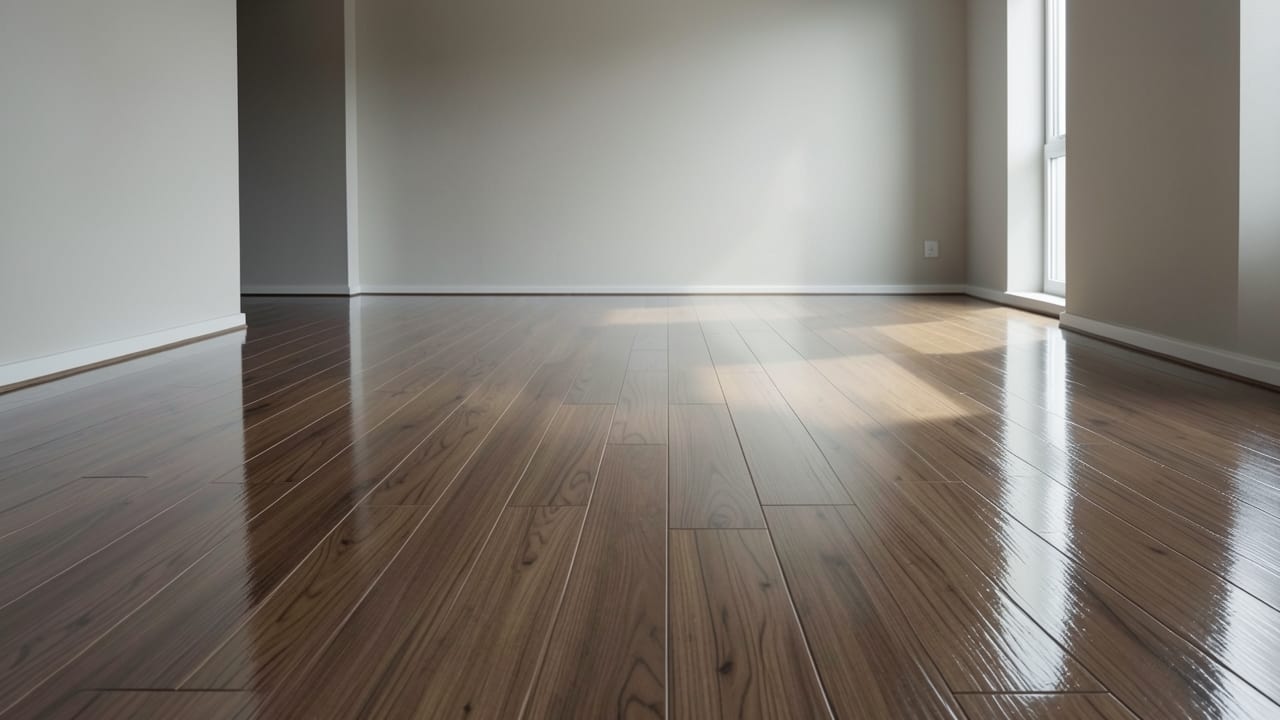
Vinyl Flooring Mold Treatment in Pawcatuck, CT
Professional mold treatment and removal for vinyl flooring in homes.
Learn MoreCommon Questions About Mold Remediation in Pawcatuck
Everything you need to know about mold remediation services in Pawcatuck
How much does Pre-Sale Mold Clearance typically cost in Pawcatuck, CT?
Why does Pawcatuck, CT's humidity make mold a bigger risk than in drier regions?
Is it safe to stay in the home during mold remediation?
Can small mold problems be handled without hiring anyone?
What's the actual difference between mold removal and mold remediation?
Is a final clearance test part of a typical mold remediation job?
Need Mold Remediation in Pawcatuck?
Connect with local providers in Pawcatuck for a detailed quote.
⏰ We answer your call • Serving all of Pawcatuck and surrounding areas